 How-to
Gluten-Free Taco Catering Options: A Complete Guide
Table of Contents
- Why Gluten-Free Taco Catering Matters for Your Event
- Understanding Gluten in Taco Catering: What You Need to Know
- Gluten-Free Taco Bar Setup: Creating a Safe Buffet
- Gluten-Free Taco Toppings and Safe Protein Choices
- Questions to Ask Your Gluten-Free Catering Provider
- Planning Portions and Guest Count for Gluten-Free Options
- Frequently Asked Questions
Last Updated: October 14, 2026
Why Gluten-Free Taco Catering Matters for Your Event
About one in 100 people has celiac disease, and many more avoid gluten, so at a 50-person event you're likely serving at least one guest who needs gluten-free options.
At Tacos Papi Grande, gluten-free taco catering isn't just about swapping ingredients, it's about creating a safe, inclusive experience. For someone with celiac disease, gluten contamination means real health consequences, not just discomfort.
This guide covers hidden gluten in taco bars, safe buffet setup, naturally gluten-free proteins and toppings, and the questions to ask your provider before you book.
Understanding Gluten in Taco Catering: What You Need to Know
Gluten hides in places most people don't expect. You might assume tacos are naturally safe, but gluten shows up in seasonings, sauces, marinades, and even in how food is prepared. Knowing where it lurks is the first step to a safe gluten-free taco catering setup.
Corn vs. Flour Tortillas and Cross-Contact Risk
The tortilla choice is foundational. Corn tortillas are naturally gluten-free; flour tortillas contain wheat and are not safe for anyone avoiding gluten, which gets complicated in a shared kitchen.
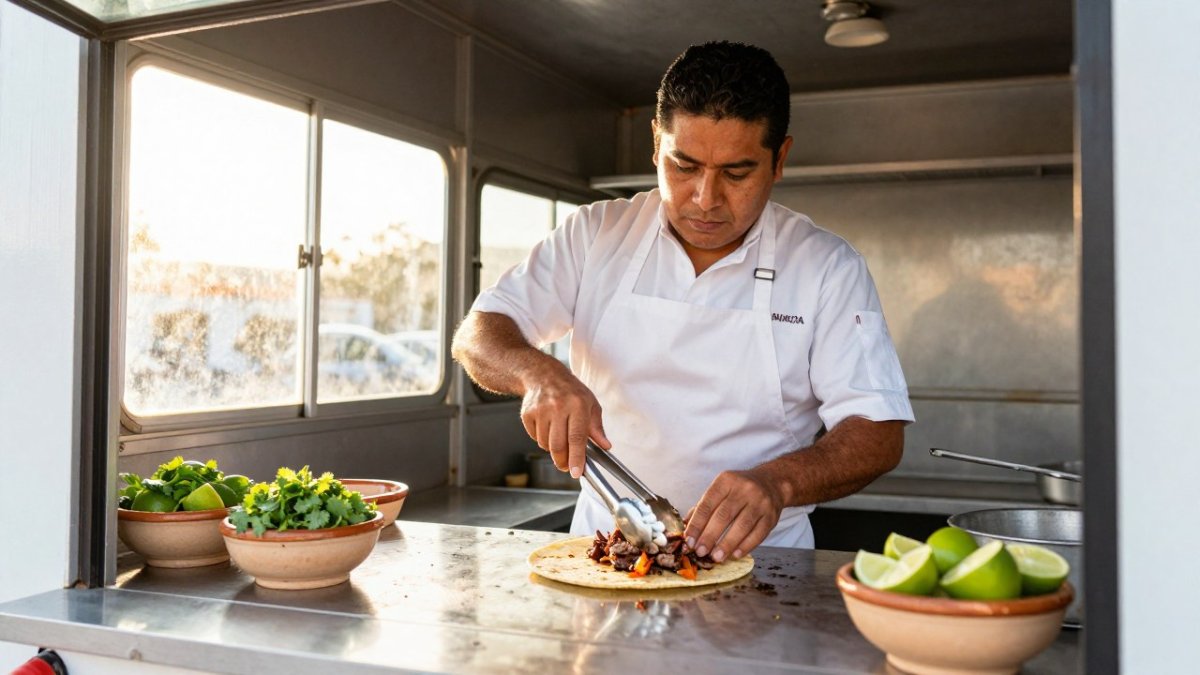
Cross-contact happens when gluten-free food touches surfaces, utensils, or hands that have touched gluten. A single crumb of flour tortilla on a shared cutting board can contaminate corn tortillas, and shared tongs make them unsafe for someone with celiac disease.
When planning gluten-free taco catering, ask how they handle tortilla prep: separate cutting boards for corn and flour, and dedicated storage so flour crumbs don't fall into the corn container.
Hidden Gluten in Sauces, Dips, and Seasonings
This is where most gluten-free taco catering plans fall apart.
Salsa is usually safe, but some commercial versions use gluten-containing thickeners. Guacamole is naturally gluten-free. Sour cream and queso are typically safe, though some brands use fillers, and hot sauce varies by brand.
Seasoning blends are the real problem. Cumin and chili powder are gluten-free, but a pre-mixed "taco seasoning" packet might contain anti-caking agents, starches, or wheat-derived ingredients.
Marinades for birria, al pastor, and asada often include soy sauce, Worcestershire, or other condiments that contain gluten, and some recipes use flour as a thickener.
When vetting a gluten-free taco catering provider, ask for ingredient lists or certifications for everything they'll serve. Don't accept "I think it's gluten-free." Ask for proof.
Gluten-Free Taco Bar Setup: Creating a Safe Buffet
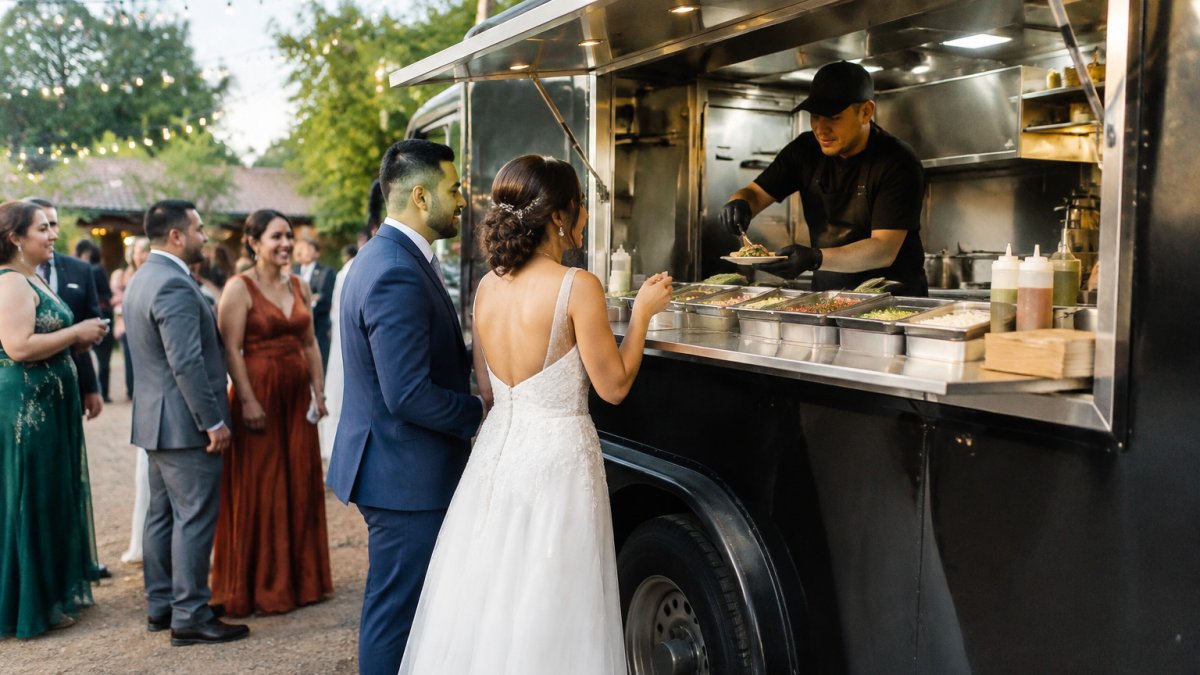
A buffet-style taco bar is convenient, but it's where cross-contact happens most easily. When dozens of guests serve themselves with shared utensils, contamination is almost inevitable unless the setup is designed intentionally.
The key to a safe gluten-free taco catering buffet is separation and clarity: guests with restrictions should serve themselves confidently, and everyone should know which items are shared and which are dedicated.
Separate Utensils and Serving Equipment
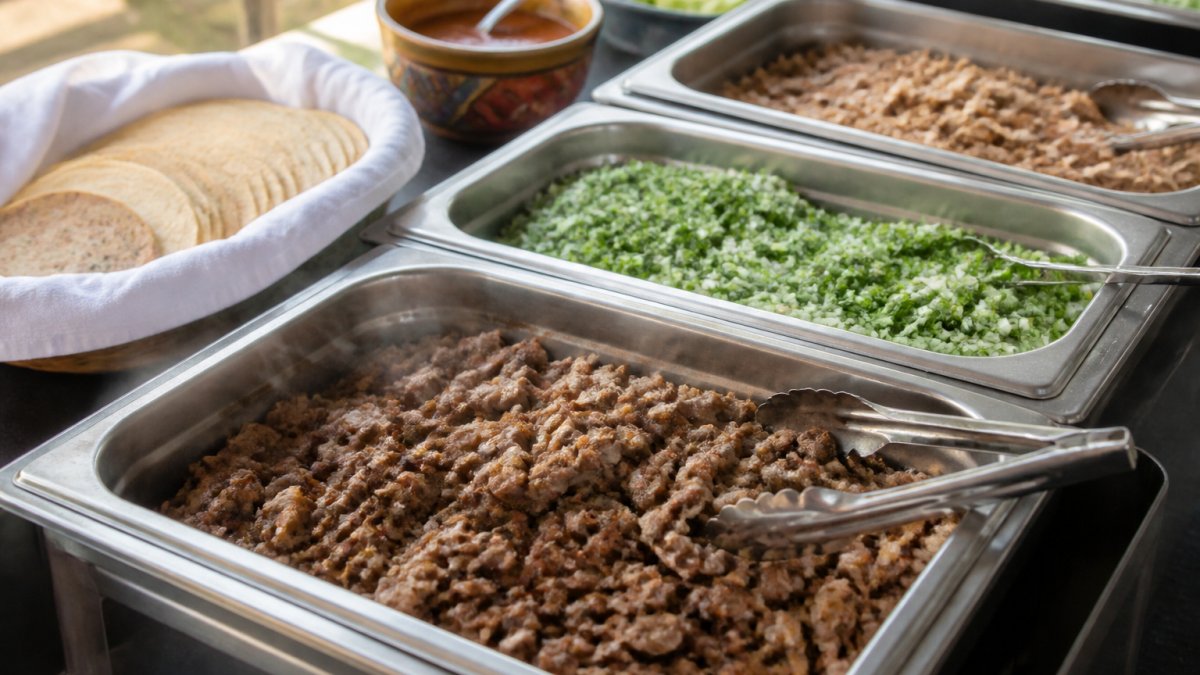
Every topping and protein needs its own serving utensil. Many catering setups use one spoon for multiple items, but for gluten-free taco catering that doesn't work.
Use dedicated serving utensils for gluten-free proteins and toppings. If some proteins are gluten-free and others aren't, use separate tongs or spoons for each, since a utensil that touched a non-gluten-free protein creates cross-contact.
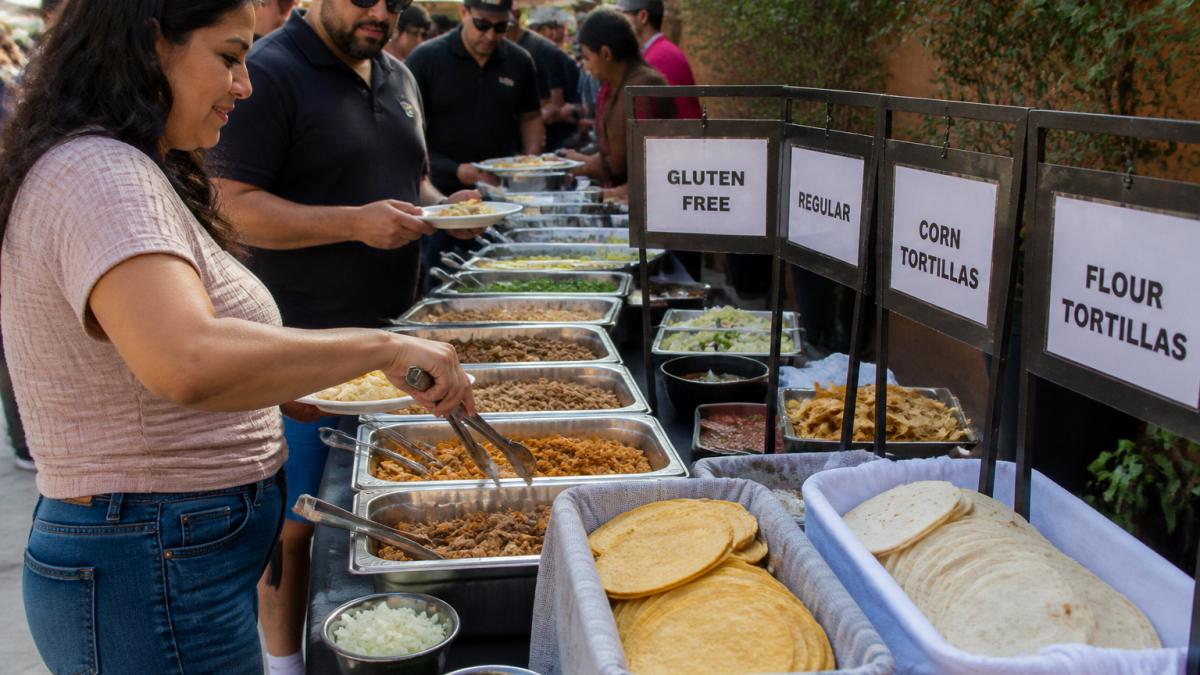
For the buffet, consider a separate gluten-free section if your guest count is large enough. A dedicated station with its own tortillas, proteins, toppings, and utensils lets someone with celiac disease build their taco without anxiety.
If a separate station isn't feasible, label gluten-free items and place them at the beginning of the line: gluten-free tortillas, then proteins, then safe toppings, so guests with restrictions build their plate before reaching items that might contain gluten.
Labeling and Guest Communication
Labels inform guests what's safe and document what was served. For gluten-free taco catering, every buffet item should be labeled gluten-free or not.
Don't assume guests will ask; many people with celiac disease avoid interrogating the host about food safety. A label reading "Gluten-Free Birria" versus "Regular Al Pastor" tells them instantly what they can eat.
Beyond labels, ask about dietary restrictions before the event and give attendees a way to indicate they need gluten-free options. When your provider knows how many gluten-free guests to expect, they can prepare accordingly.
Gluten-Free Taco Toppings and Safe Protein Choices
Once the setup and sourcing are locked down, the taco components are straightforward. Most traditional toppings are naturally gluten-free; the proteins, prepared correctly, offer the most options and the most potential pitfalls.
Naturally Gluten-Free Proteins: Birria, Al Pastor, and Asada
Birria, al pastor, and asada are the signature proteins at Tacos Papi Grande, and all are naturally gluten-free when prepared without gluten-containing ingredients.
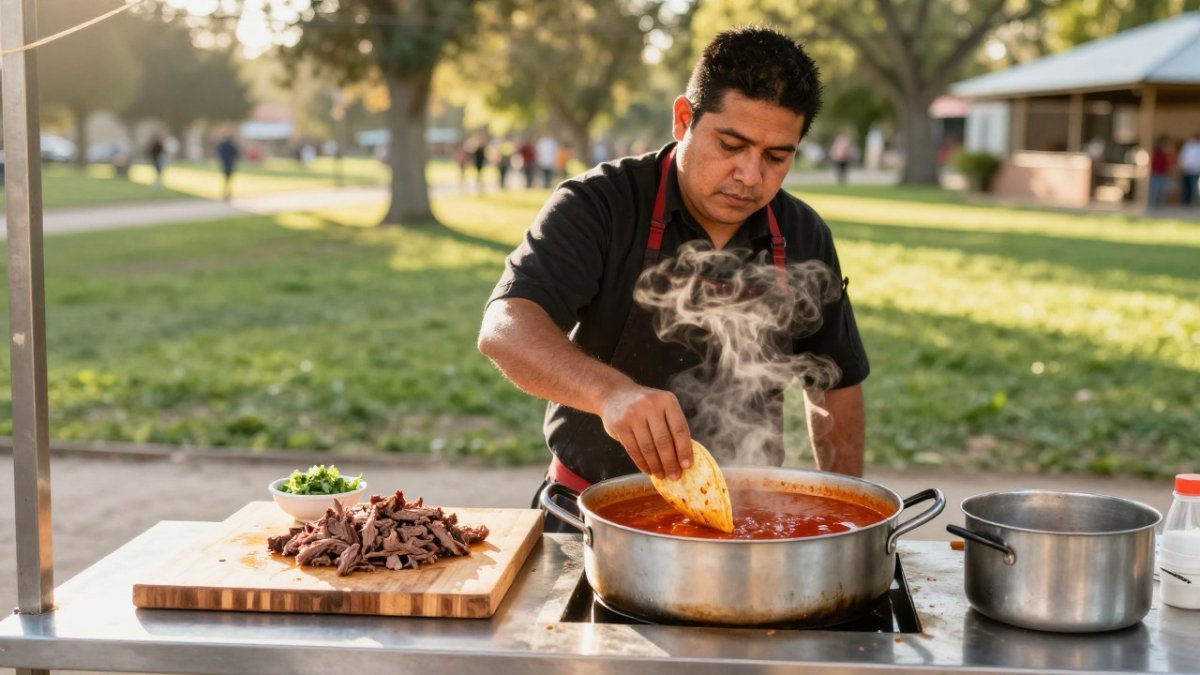
Birria is a slow-cooked beef stew traditionally made from beef chuck, dried chiles, vinegar, spices, and broth. The meat is gluten-free, but the marinade and cooking liquid are the challenge: soy sauce, Worcestershire, or flour-based thickeners introduce gluten.
Al pastor is marinated pork, traditionally cooked on a vertical spit, with dried chiles, vinegar, spices, and sometimes pineapple.
Asada is grilled beef marinated in citrus, garlic, and spices, making it one of the simplest and safest proteins for gluten-free catering.
When booking gluten-free taco catering, ask how each protein is prepared: fresh spices or pre-made blends? Any soy sauce, Worcestershire, or bottled condiments? Can they provide ingredient documentation? These questions separate providers who understand gluten-free catering from those who are guessing.
Vegetarian and Vegan Protein Alternatives
Not everyone with a gluten restriction avoids meat, but some guests may be vegetarian or vegan too. This is where a thoughtful provider stands out.
Beans are naturally gluten-free. Black, pinto, and refried beans are safe without gluten-containing additives, though some canned or refried mixes contain thickeners or anti-caking agents that might contain gluten. Dried beans cooked from scratch are safest.
Grilled vegetables like zucchini, bell peppers, and mushrooms are naturally gluten-free, while roasted cauliflower or crispy tofu add protein and texture. The key is preparation: no flour coatings, no gluten-containing seasonings.
Cheese is gluten-free, including cotija, queso fresco, and cheddar, and eggs can be scrambled or fried as a protein option.
When planning gluten-free taco catering for a mixed group, ask what vegetarian and vegan options your provider offers, whether they can supply beans, grilled vegetables, and cheese as protein alternatives, and whether those items avoid cross-contact with gluten.
Questions to Ask Your Gluten-Free Catering Provider
Choosing a provider for gluten-free taco catering comes down to asking the right questions. One who understands gluten-free requirements answers confidently and specifically; one who doesn't gives vague responses.
Start with the basics: Do they have experience catering for guests with celiac disease or gluten sensitivity? Can they provide references from clients who ordered gluten-free options?
Ask about their preparation process. Do they have a dedicated gluten-free prep area, or do they prepare gluten-free and regular food in the same kitchen?
Get specific about ingredients. Ask for ingredient lists or certifications for the proteins, sauces, and seasonings they'll use.
Ask about their serving setup: separate utensils for gluten-free items, clear buffet labeling, and whether they can set up a dedicated gluten-free section.
Finally, ask about flexibility. If guests have other dietary restrictions alongside gluten-free needs, can they accommodate multiple restrictions or modify recipes?
A provider like Tacos Papi Grande, which specializes in scratch-made catering, can answer these questions confidently.
Planning Portions and Guest Count for Gluten-Free Options
One of the most common catering mistakes is under-ordering gluten-free options.
Ask about dietary needs when you send invitations: how many need gluten-free options, and are there other restrictions? This lets your provider prepare appropriately.
As a rule, plan for each guest to eat two to three tacos.
It's far better to have extra than to run out and leave guests without options.
When getting a quote, specify the number of gluten-free guests and ask how they'll portion gluten-free items: will they prepare proteins separately and bring extra tortillas to prevent running out?
For groups of five or more, many providers offer free delivery.
Gluten-free taco catering doesn't have to be complicated. Choose a provider who understands the stakes, ask the right questions upfront, and communicate clearly with guests about what's safe.
At Tacos Papi Grande, we specialize in scratch-made catering that accommodates dietary needs without compromising flavor.
| Question | Why It Matters | What to Ask |
|---|---|---|
| Ingredient sourcing | Hidden gluten in sauces and seasonings | "Can you provide ingredient lists for all proteins, sauces, and spices?" |
| Preparation area | Cross-contact risk | "Do you have a dedicated gluten-free prep area or separate utensils?" |
| Buffet setup | Guest safety and confidence | "Will you label items and use separate serving utensils?" |
| Experience | Provider knowledge and reliability | "Do you have references from other gluten-free catering events?" |
| Flexibility | Accommodating multiple dietary needs | "Can you modify recipes or provide alternatives for specific restrictions?" |
Planning a gluten-free taco catering event means thinking through details most people skip. Get started with Tacos Papi Grande and review the FDA's guidance on allergen labeling and food safety to ensure your event meets safety standards. Contact us today to discuss your gluten-free taco catering needs and get a quote for your group. The National Institutes of Health provides research on celiac disease prevalence and management if you want to understand more about why this matters for your guests.
Frequently Asked Questions
Are corn tortillas always gluten-free for taco catering?
Yes, pure corn tortillas are naturally gluten-free and safe for guests with celiac disease. However, cross-contact during preparation is the real concern. Ask your caterer if they prepare corn tortillas on dedicated equipment or surfaces separate from flour tortillas. Some facilities use the same cooking oil or utensils for both, which can introduce gluten. Verify that your gluten-free taco catering provider uses separate preparation areas and handles corn tortillas with dedicated equipment to prevent cross-contact.
What questions should I ask a caterer about gluten-free taco catering?
Ask these critical questions: How do you prevent cross-contact between gluten-free and regular items? Are corn tortillas prepared on separate equipment? What are the ingredients in your sauces, salsas, and seasonings, and do they contain gluten or wheat? Do you have a food handler trained in celiac awareness? Can you provide ingredient lists or allergen documentation? How do you label gluten-free items on the buffet? Request written confirmation of their gluten-free protocols before booking, and ask for references from other events they've catered for guests with dietary restrictions.
What gluten-free taco toppings can I serve at my catering event?
Most fresh toppings are naturally gluten-free: lettuce, tomatoes, onions, cilantro, jalapeños, radishes, and avocado. Cheese, sour cream, and guacamole are typically safe, but verify they're not thickened with flour. Salsas and hot sauces often contain gluten as a thickening agent, so request ingredient verification. Corn chips are gluten-free if made from 100% corn. Avoid flour-based items like flour tortillas, seasoned flour coatings, or thickened gravies. Ask your caterer to provide a complete ingredient list for every sauce, dip, and seasoning they're serving to ensure nothing contains hidden gluten.
How many gluten-free taco servings should I order per guest?
Plan for 2-3 tacos per guest as a standard serving size, or 3-4 if tacos are the main entrée with minimal sides. For a mixed group where only some guests need gluten-free options, order the same portion size for those guests as you would for others. Don't assume gluten-free guests will eat less. Discuss your guest count and dietary needs with your caterer so they can recommend appropriate quantities and ensure they have enough gluten-free ingredients prepared separately to avoid running short.