 How-to
Hiring Catering That Supports Local Nonprofits
Last Updated: October 23, 2026
Quick Summary
Hiring catering that supports local nonprofits means booking a caterer with a genuine charitable mission, so your event feeds guests and funds local work at once. Verify the claim by asking for the EIN, checking the IRS Tax Exempt Organization Search, and reading the Form 990.
- Ask for the EIN, mission statement, and a concrete example of where last year's proceeds went.
- Pull the most recent Form 990 and check total revenue, program service expenses, and top officer compensation.
- Request a grant letter, partner receipt, or annual report line backing any community spending claim.
- Send the same RFP to at least three caterers with one shared response deadline for line-item comparison.
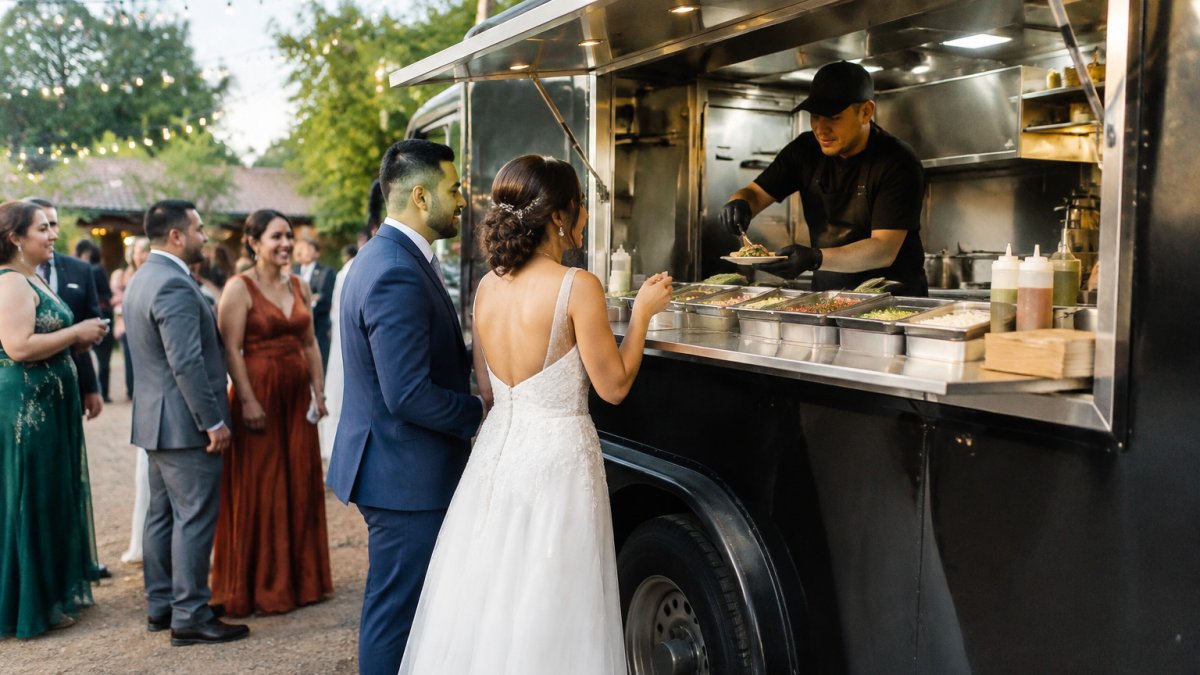
- Taco bars and build-your-own stations cut waste and keep staffing lean at fundraisers.
Table of Contents
- Why Nonprofit Catering Deserves a Closer Look
- How to Find a Local Caterer With Real Community Ties
- How to Verify a Caterer's Nonprofit Support
- Questions to Ask a Caterer Before You Sign
- Your Nonprofit Event Catering Checklist
- Building a Catering Request for Proposal Template
- Fundraiser Catering Ideas That Stretch a Budget
- Conclusion
- Frequently Asked Questions
Why Nonprofit Catering Deserves a Closer Look
Hiring catering that supports local nonprofits turns a routine food order into a community investment, and hiring catering that supports local nonprofits makes every event count twice.
That distinction matters more than most planners realize. The IRS guidance on 501(c)(3) organizations explains what tax-exempt status actually requires, and it is worth understanding before you take a caterer's nonprofit claim at face value.
Here is the tension: plenty of caterers market themselves as community-minded, but few can show you the paperwork.
How to Find a Local Caterer With Real Community Ties
Start with your own network, not a search engine. Local nonprofits, church groups, and school booster clubs usually know which caterers show up when nobody is watching. A caterer that donates to the silent auction every spring tends to be the same one that treats your event staff well in October.
Where to Search Beyond the Usual Directories
Online directories list everyone with a food permit, so they tell you almost nothing about community ties. Look instead at:
- Nonprofit event pages. Scan the sponsor and vendor lists from last year's galas and 5K runs. Repeat names signal real relationships.
- Chamber of commerce member lists. Local business owners who join tend to invest locally.
- Community Facebook groups and neighborhood boards. Residents share honest opinions about caterers fast.
- Farmers market vendor rosters. Local sourcing often travels with community commitment.
When you find a promising name, check whether they publish a service area and delivery terms. A caterer who serves your venue regularly will handle logistics better than one driving in from three counties away.
Reading Reviews and Ratings With a Critical Eye
Reviews reveal patterns, not verdicts. One angry review about a late delivery means little. Six reviews mentioning the same problem with staffing means a lot.
Read for specifics. A review that names a dish, a guest count, and an outcome is worth ten that say "great food!" Look at how the caterer responds to criticism, too. Defensive replies tell you how they will handle your event when something goes wrong.
How to Verify a Caterer's Nonprofit Support
Verification is a ten-minute job, and it separates real mission-driven caterers from marketing language. Most planners stop at "are you a nonprofit?" and accept a yes. Do the full check instead, because your own donors and board will ask how you chose this vendor.
Step 1: Confirm the legal entity and tax status
Ask for the organization's legal name and Employer Identification Number, then confirm tax-exempt status using the IRS Tax Exempt Organization Search. A legitimate 501(c)(3) will share this without hesitation.

Step 2: Read the Form 990, not the website
Every 501(c)(3) files an annual Form 990 (or the shorter 990-EZ or 990-N for small organizations), and those filings are public. Pull the most recent one from the IRS search or a nonprofit database and look at three lines: total revenue, program service expenses, and the compensation of top officers. A caterer that claims a portion of every order goes to community programs should show program expenses that are a meaningful share of revenue, not a token line item.
Step 3: Ask for donation documentation, not anecdotes
Request one concrete example of recent community spending and the paperwork behind it: a grant letter, a receipt from a partner organization, or a line in the annual report.
If the caterer is a for-profit that donates to a nonprofit rather than being one, ask for the donation agreement or a letter from the recipient organization confirming the relationship and the amount or percentage committed.
Step 4: Check the community ties that don't show up in filings
Filings prove status; they don't prove local commitment. Cross-check the caterer against the sponsor lists of local nonprofit events, chamber of commerce membership, and farmers market rosters.
You can also read the caterer's own background story to judge whether the nonprofit ties feel genuine. Our our story explains how Tacos Papi Grande built its mission around supporting single parents, and it is the kind of page you should expect from any caterer making a similar claim.
Questions to Ask a Caterer Before You Sign
The right questions save you from surprises on event day. Ask these before any deposit changes hands, and get the answers in writing:
- Are you a registered 501(c)(3), and can you share your EIN?
- What percentage of proceeds goes to community programs, and how is it tracked?
- What is your service area, and is delivery included for our guest count?
- How do you handle dietary restrictions and allergy requests?
- Do you cook on site for large events, or drop off?
- What is your cancellation and minimum-guest policy?
- Can you provide references from other local organizations?
For quick answers to common booking questions, our frequently asked questions cover delivery minimums, allergy handling, and on-site cooking. Review those before your call so you know exactly what to ask.
Your Nonprofit Event Catering Checklist
A simple checklist keeps a nonprofit event catering plan on track from first inquiry to final headcount. Use this one:
- Define guest count, date, venue, and budget range
- Confirm the caterer's nonprofit status and mission
- Collect two or three local references
- Agree on a menu that covers dietary needs
That last item matters for fundraisers. Many food nonprofits welcome safe, unserved leftovers, and arranging pickup in advance turns waste into goodwill.
Building a Catering Request for Proposal Template
A written RFP puts every caterer on equal footing and makes comparison honest. Send the same document to each provider and ask for responses in the same format, so you are comparing line items rather than prose.
Here is a reusable template:
Organization: [Your nonprofit name] Event: [Name, date, start and end time] Venue and service area: [Address or neighborhood] Guest count: [Number, plus children or dietary-need guests] Budget range: [Total food and service budget] Menu needs: [Cuisine, dietary restrictions, service style] Nonprofit requirements: [EIN, mission summary, community impact example] References requested: [Two local organizations] Response deadline: [Date]
Make the quote comparable line by line
Ask each caterer to break out food, delivery, staffing, rentals (tables, linens, chafing dishes, plates and flatware), taxes, and any service charge or administrative fee separately.
Also ask each caterer to state their minimum guest count, their headcount deadline (the date after which you pay for the original number even if fewer guests attend), and their deposit and payment schedule.
Put the nonprofit terms in writing
If a caterer offers a nonprofit discount or in-kind contribution, ask them to state it as a line item on the quote, for example, a percentage off the food subtotal or a donated appetizer station, rather than a verbal promise. Ask whether the discount applies to midweek events, off-season dates, or a limited number of bookings per year, since many caterers cap those slots.
Contract terms to demand before you sign
- Cancellation and postponement: the deadline for a full refund, the penalty schedule after it, and whether a postponed date can be moved without a new deposit.
- Dietary and allergy handling: who is responsible for confirming allergy requests, how the kitchen prevents cross-contact, and whether the caterer carries liability insurance.
- Insurance and permits: a certificate of insurance naming your organization, plus confirmation of the food-service permit for your venue.
- Staffing and setup: how many servers per guest, who sets up and breaks down tables, and whether gratuity is included or expected.
When you are ready to send your RFP, our contact us page has the details you need to submit it.
Fundraiser Catering Ideas That Stretch a Budget
Fundraisers live or die on the gap between food cost and ticket revenue. The fix is not cheaper food; it is smarter format.
Ask about nonprofit discounts and in-kind donations early. Many caterers reserve a set number of discounted events each year, and the ones with a mission are usually the most flexible.
Browse our lunch and dinner options to see how a scratch-made menu can fit a tight fundraiser budget, then request a quote based on your headcount and date.
| Budget Lever | What to Do | Why It Helps |
|---|---|---|
| Service style | Choose buffet or family-style | Cuts per-plate labor |
| Guest count | Confirm headcount early | Prevents over-ordering |
| Nonprofit discount | Ask before signing | Lowers total invoice |
| Volunteer help | Staff check-in yourself | Frees caterer's team |
| Menu scope | Limit entrée choices | Reduces waste and cost |
Conclusion
Finding catering that genuinely supports local nonprofits takes a little homework, but the payoff is an event your guests remember and your community feels. You need a caterer with verifiable nonprofit status, transparent community spending, and the flexibility to fit your budget.
Tacos Papi Grande is a 501(c)(3) nonprofit, and a portion of every order is reinvested to help single parents in need.
Frequently Asked Questions
How can I find a caterer that supports local nonprofits?
Start with caterers that publish their community involvement, then check the details. Look for a stated 501(c)(3) status, a named donation program, or a documented partnership with a local charity. Search reviews and ratings for mentions of community work, and ask directly during your first call. A caterer with real nonprofit catering ties can explain exactly where support goes, how much of a booking benefits the mission, and which local organizations they work with. Vague answers are a signal to keep looking.
What should I ask a caterer about its nonprofit partnerships?
Ask four things: what percentage or portion of proceeds goes to the community, which organization receives it, how often contributions are made, and whether you can see documentation. Also ask whether they offer a nonprofit discount, in-kind support, or volunteer assistance for community events. The questions to ask a caterer should cover staffing, service area, delivery, and availability too, but the nonprofit answers tell you whether the community support is structural or just a marketing line.
How do I compare catering quotes for a community fundraiser?
Compare quotes on the same line items: per-person food cost, staffing, delivery, equipment, tax, and gratuity. Ask each caterer to quote the same guest count and menu so the numbers line up. A lower per-person price can hide delivery fees or require you to supply tables and serving gear. Build a simple spreadsheet, list total event cost rather than food cost alone, and check what each quote includes before you decide. Pricing depends on quantity, dates, and delivery, so get everything in writing.
Can catering proceeds support a nonprofit without a separate donation?
Yes, when the caterer is itself a nonprofit or runs a formal give-back program. In that model, part of what you pay for food is reinvested into the community, so booking the event doubles as support. Ask how the split works and whether it applies to every order or only certain packages. If the caterer is a for-profit business, a separate donation or a nonprofit discount is usually the cleaner path, and you should confirm both in the contract.